How to Start an Airbnb Business from Scratch in 2025
- rchirongoma405
- Oct 23, 2025
- 5 min read
Updated: Oct 31, 2025

The vacation rental market has dramatically reshaped both the way people travel and how investors approach real estate. In 2023 alone, Airbnb hosts collectively earned over $15 billion, showcasing the massive income potential for property owners willing to dive into short-term rentals.
Starting an Airbnb business comes with a variety of benefits: flexible income streams, property appreciation, and the chance to meet travelers from across the globe. Unlike traditional long-term leases, Airbnb offers the ability to:
Adjust nightly rates dynamically
Block off personal dates
Earn more per night (in many cases)
But launching a successful Airbnb business takes more than just listing a spare room online. You need to understand your local market, comply with regulations, optimize your property for hospitality, and master guest management.
In this step-by-step guide, you'll learn exactly how to start an Airbnb business from scratch in 2025—from market research to welcoming your first guest.
Step 1: Conduct Market Research and Choose a Niche
Analyze Local Demand
Before investing your time or money, determine whether short-term rentals are profitable in your area.
Search existing Airbnb listings in your city or neighborhood.
Note occupancy rates, average nightly prices, and guest reviews.
Use data tools like AirDNA, Mashvisor, or AllTheRooms to identify trends, revenue projections, and seasonal fluctuations.
💡 Tip: Look for gaps in the market. Are there few pet-friendly homes? Is there a shortage of stylish studios for solo travelers? Serving a niche can set your listing apart.
📍 Choose the Right Location
Location is everything in short-term rentals. Properties nearby:
Tourist attractions
Downtown areas
Airports or transit hubs
Business districts or universities
...tend to perform better.
Urban areas might yield higher nightly rates, while rural or suburban homes often attract guests seeking extended stays or unique experiences.
Evaluate Your Competition
Study top-performing listings in your area:
What amenities do they offer?
How do they present their photos and descriptions?
What pricing strategies do they use?
By understanding your competition, you’ll know how to position your property for success.
Step 2: Understand Legal Requirements
Failing to comply with local regulations can lead to heavy fines—or even having your listing shut down.
🏛️ Research Local Laws
Short-term rental laws vary by city, county, and even building. Requirements may include:
Rental permits
Limits on guest stays
Neighborhood restrictions
Maximum number of properties
Don’t rely solely on Google—regulations change frequently. Contact your city or county directly (business licensing or planning department) for up-to-date rules.
Obtain the Necessary Permits
Common requirements include:
Business license
Tourist tax registration
Health or safety inspections
Homeowners' association (HOA) approval, if applicable
The process may take weeks or months—plan ahead and budget for permit fees, which can range from $50 to several hundred dollars.
Cover Insurance and Taxes
Standard homeowners or renters' insurance often doesn’t cover short-term rentals. Options include:
Airbnb’s Host Protection Insurance (limited)
Third-party short-term rental insurance
You’ll also need to handle taxes:
Report Airbnb income to the IRS (or your national tax authority)
Collect and remit local occupancy taxes, if applicable
Consider using a CPA or tax professional familiar with Airbnb regulations
Step 3: Set Up and Optimize Your Property
Your listing needs to stand out—and that starts with the guest experience.
🛏️ Provide Essential Amenities
At a minimum, guests expect:
Fast, reliable Wi-Fi
Fresh linens and towels
Kitchen basics (for entire homes or apartments)
Toiletries and cleaning supplies
Clear instructions for using appliances
Extras that can help you charge more:
Smart TVs with streaming services
Coffee maker or espresso machine
High-quality mattresses
Outdoor amenities (e.g., hot tub, BBQ, fire pit)
Workspace for remote workers
🧯 Prioritize Safety
Install:
Smoke and carbon monoxide detectors
A fully stocked first aid kit
Fire extinguishers
Secure entry (consider smart locks)
Many jurisdictions require safety inspections—comply fully to avoid fines and enhance guest trust.
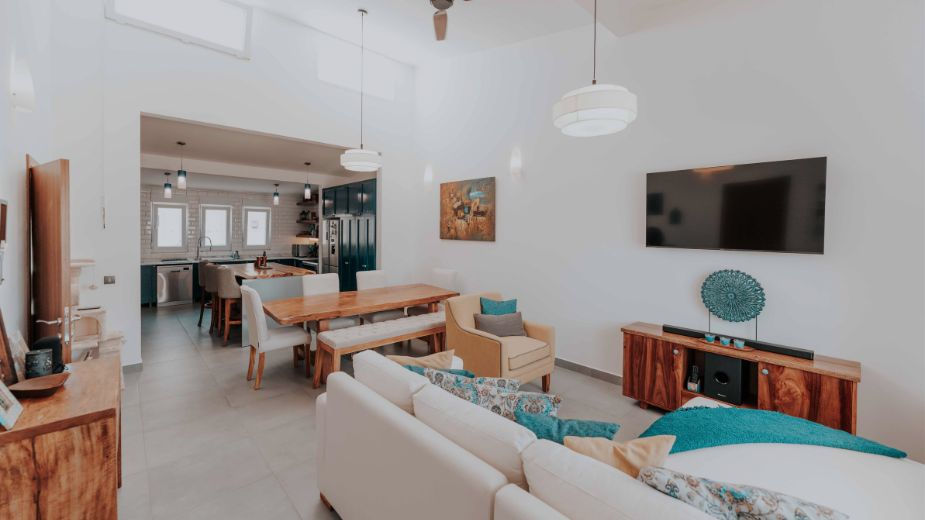
📸 Use Professional Photography
Your photos are often the first impression—make them count.
Hire a pro photographer or learn basic real estate photography
Use natural light, wide angles, and minimal clutter
Stage each room with clean, neutral décor
Highlight key features: balconies, hot tubs, unique views, or themed spaces
Step 4: Create an Irresistible Listing & Pricing Strategy
✍️ Write a Compelling Description
Start with a strong headline: "Bright Loft with City Views — 5 Min Walk to Downtown"
Focus on the guest experience, not just the features
Be specific: instead of “close to everything,” say “2 blocks from Central Park and local cafés”
Include practical info: parking, Wi-Fi speed, check-in times, and house rules
Set Smart Pricing
Don’t just guess—price strategically.
Research comparable listings in your area
Use dynamic pricing tools like PriceLabs, Beyond, or Wheelhouse
Adjust for:
Seasonality
Local events (festivals, conferences)
Day of the week
Don’t forget to factor in cleaning fees, Airbnb's commission, maintenance, and your time.
💡Pro Tip: Start slightly below market price to gain your first few reviews, then increase based on demand.
🔍 Optimize for Airbnb Search
Airbnb’s algorithm favors:
Fast response times
High booking acceptance rates
Positive guest reviews
Accurate calendar availability
Respond promptly, deliver on expectations, and keep your listing updated to improve visibility.
Step 5: Manage Bookings Like a Pro
Streamline Communication
Use message templates for:
Booking confirmations
Check-in instructions
Local recommendations
Check-out reminders
Personalize messages slightly to show guests you care—without starting from scratch every time.
Automate Where Possible
As you grow, time-saving tools become essential:
Use tools like Hostify, Hospitable, Guesty, or OwnerRez to automate:
Guest messaging
Calendar syncing
Cleaning schedules
Invest in smart home tech:
Keyless locks (e.g., August or Yale)
Smart thermostats (Nest, Ecobee)
Noise monitors and security cameras (for outside areas)
🌟 Deliver a 5-Star Experience
Send a welcome book with Wi-Fi info, local dining tips, and house instructions
Respond to issues quickly and professionally
Keep your place spotless, cleanliness is the #1 driver of good reviews
Even when things go wrong, a thoughtful response can turn a negative experience into a positive review.
Building Your Airbnb Empire: Final Thoughts
Starting an Airbnb business in 2025 can be a profitable and fulfilling venture—but only with the right foundation.
Here’s your quick success checklist:
✅ Research your local market and niche
✅ Comply with all legal and tax requirements
✅ Create a safe, welcoming, and well-equipped property
✅ Write a compelling, optimized listing
✅ Communicate clearly and promptly with guests
✅ Automate processes as you scale
Begin with a single property to build confidence, reviews, and experience. As you reinvest your earnings and fine-tune your processes, scaling to multiple listings becomes much more manageable.
Ready to Launch Your Airbnb Business?
At Turnkey BnB Academy, we partner with you for success in the short term rental space. Start with local market research, then tackle legal and operational steps one at a time. With careful planning and a commitment to guest satisfaction, you can build a short-term rental business that provides both financial freedom and personal flexibility.


Comments